Combatting Moss: The Ultimate Guide to Roofs in North Wales
- diromaxltd
- Mar 18, 2025
- 4 min read

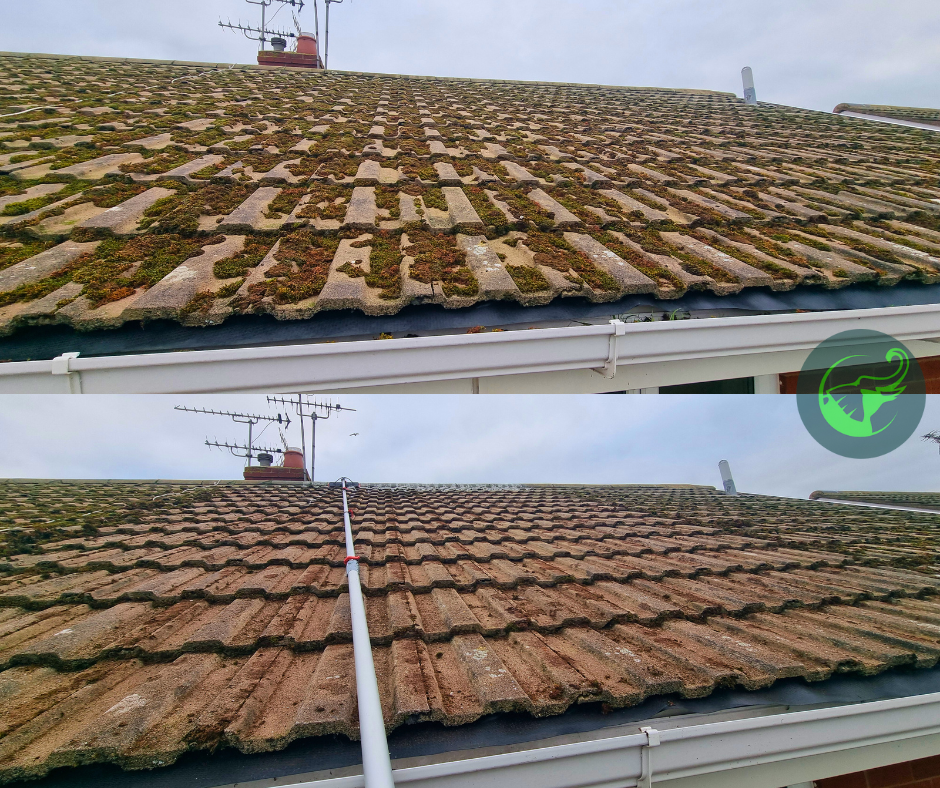
Moss growth on roofs is a prevalent problem for homeowners in North Wales, primarily due to the region's damp climate and abundant vegetation. Although it may seem harmless at first, allowing moss to take root can cause significant damage over time. In this guide, we provide practical tips to prevent moss growth on your roof, helping to keep your home safe, dry, and visually appealing.
Understanding Moss Growth
Moss flourishes in shaded, moist environments, making North Wales an ideal location for its growth. The region experiences an average of 1,200mm of rainfall annually, contributing to the damp conditions that moss craves. When not addressed, moisture can seep into cracks and crevices, leading to severe structural problems. In fact, roofs with significant moss accumulation can suffer from up to 30% faster deterioration, increasing the likelihood of leaks and rot, especially in wooden shingles.
As moss grows, it can dislodge tiles and shingles, resulting in even more damage. Thus, preventing moss accumulation is crucial not only for your roof’s longevity but also for your home’s overall appearance.
Regular Maintenance and Inspections
One of the best defences against moss growth is consistent maintenance. Inspect your roof at least twice a year, ideally in spring and autumn. Look for patches of moss and collect any debris, such as leaves and twigs, that could trap moisture.
Cleaning your roof regularly will aid in removing existing moss and halting future growth. Use a broom or leaf blower to clear debris from gutters and roof surfaces.
Safe Cleaning Methods
Safety should be your primary concern when cleaning your roof. If climbing onto your roof feels risky, consider hiring professionals for power washing or moss removal. If you choose to clean it yourself, use a soft-bristled brush along with a cleaning solution specifically designed for roof use. This approach minimizes the risk of damaging your roofing material, unlike metal brushes or high-pressure washers, which can exacerbate an existing problem.
Trim Overhanging Branches
Overhanging branches can offer shade and retain moisture, creating the perfect breeding ground for moss. Regularly trim any branches that hang above your roof to enhance airflow and sunlight exposure.
Encouraging sunlight helps keep your roof dry and reduces the chance of moss growth. Moreover, trimming branches can prevent them from breaking off during storms and falling onto your roof, which could cause further damage.
Install Zinc or Copper Strips
Installing zinc or copper strips along the ridge of your roof is another effective method for preventing moss growth. As rainwater travels over these metals, it releases ions that inhibit moss from taking hold.
While this solution may require professional installation, it can significantly curb future moss problems. Estimates suggest that homes with these strips installed experience at least 50% less moss growth, making it a worthwhile investment for homeowners.
Improve Roof Drainage
Inefficient drainage can result in water pooling on your roof, an ideal condition for moss to thrive. Ensure your gutters are clean and free from blockages. Check downspouts to confirm they redirect water away from your home’s foundation effectively.
If you encounter drainage issues, consider consulting a roofing expert to evaluate your situation. They may recommend installing additional gutters or enhancing the slope of your roof to improve drainage.
Choose the Right Roofing Material
If you're considering a roof replacement, think about materials that resist moss growth. Options like slate, metal, and asphalt shingles are generally more resistant compared to wood shingles.
Many modern roofing materials also come with protective coatings designed to repel moss and other organic growth. Choosing these options can save you time and money down the road and prevent issues associated with moss.
Consider Moss-Resistant Products
Several products on the market assist in curbing moss growth, such as moss inhibitors, anti-fungal sprays, and roof sealants.
Before selecting a product, ensure it is environmentally friendly and safe for use on your roof. Regular application of these treatments can enhance your overall preventative strategy and prolong the life of your roof.
Monitor Weather Conditions
Staying aware of local weather patterns can empower you to take preventative action. For instance, during particularly wet seasons, it is wise to conduct inspections and cleanings more frequently.
Additionally, if storms are forecasted, inspect your roof afterward to identify potential damage before moss has the chance to establish.
Install Roof Ventilation
Proper roof ventilation is key to minimizing moisture buildup. An unventilated attic can create humidity that seeps into roofing materials, encouraging moss growth.
Consider consulting professionals to assess your attic’s ventilation and suggest improvements. High-quality ventilation not only reduces the risk of moss but also boosts your home’s energy efficiency.
Your Next Steps to a Healthy Roof
Moss growth on roofs presents a considerable threat to homeowners in North Wales. However, with the right strategies, you can effectively prevent it. By routinely inspecting and maintaining your roof, trimming branches, and implementing solutions like zinc strips or moss-resistant products, you secure your home against the damaging effects of moss.
Caring for your roof is vital for maintaining both its integrity and visual appeal. By taking preventative steps today, you can avoid costly repairs in the future and ensure that your roof remains safe and moss-free for years to come. Stay vigilant, and your roof will stand strong, no matter the weather changes ahead.


Comments